
Understanding the Cultural Impact of Casinos in Modern Society
Understanding the Cultural Impact of Casinos in Modern Society
The Historical Context of Gambling
The concept of gambling has been around for centuries, evolving from simple games of chance to complex systems involving strategic planning and risk management. Historical evidence shows that ancient civilizations, such as the Chinese, Greeks, and Romans, engaged in various forms of gambling, often integrating these activities into their cultural practices. This long-standing tradition underscores gambling’s role as a source of entertainment and social interaction, influencing societal norms and values over time.

In the modern era, the rise of casinos can be traced back to the 17th century when the first gambling houses emerged in Europe. These establishments were often frequented by the elite, making gambling a status symbol. The establishment of casinos has since transcended social boundaries, appealing to a broader audience and transforming perceptions around gambling from a vice to a legitimate form of leisure and recreation. This shift marks a significant cultural evolution, showcasing how societal views can reshape activities traditionally seen as taboo. https://balloon-game-download.com.ng/
As gambling has transitioned into a mainstream pastime, the historical context reveals the adaptive nature of society in relation to entertainment. The integration of casinos into urban development has created venues that blend entertainment, dining, and social interaction, making them cultural hubs. This evolution reflects a shift toward accepting gambling as a part of everyday life, further influencing how communities engage with this form of entertainment.
The Economic Influence of Casinos
Casinos play a pivotal role in driving local economies, generating significant revenue through taxation and job creation. Many cities have invested in casinos as a means to boost their economies, attracting both tourists and locals alike. For instance, Las Vegas is often cited as a prime example of how casinos can reshape economic landscapes, turning the city into a global tourism hotspot. The revenue generated from gaming taxes often funds essential public services, including education and infrastructure, illustrating the financial interdependence between gambling establishments and their host communities.
Moreover, the economic benefits of casinos extend beyond direct revenues. The establishment of casinos often leads to increased business for local hotels, restaurants, and entertainment venues, creating a multiplier effect in the economy. Small businesses flourish as the influx of visitors creates demand for goods and services. This interconnectedness highlights how casinos can serve as catalysts for economic growth, reshaping communities and enhancing the quality of life for residents.
However, the economic impact of casinos is not without its challenges. Critics argue that while casinos create jobs and stimulate the economy, they may also lead to social issues, including gambling addiction and increased crime rates. This duality presents a complex picture of the economic influence of casinos, emphasizing the need for balanced regulatory frameworks that address both the benefits and potential drawbacks of casino operations within communities.
Cultural Perspectives on Gambling
The cultural implications of gambling vary widely across different societies, with each community holding unique beliefs and attitudes toward this activity. In some cultures, gambling is seen as a form of entertainment and social bonding, celebrated for its ability to bring people together. For instance, in many Native American communities, casinos serve not only as economic engines but also as a means of cultural preservation and identity reinforcement. The integration of traditional games and celebrations within casino operations reflects a deep connection to cultural heritage.
Conversely, other cultures view gambling with skepticism or outright disapproval, associating it with moral decay and social issues. In these societies, the rise of casinos can lead to heated debates about ethics, regulation, and community welfare. This dichotomy showcases how gambling as a cultural practice can be both embraced and resisted, depending on the prevailing societal values and historical context.
As globalization continues to blur cultural boundaries, the exchange of ideas around gambling has led to an interesting convergence. Some cultures are adopting elements of casino culture, while others are reinforcing traditional values in response. This dynamic interplay reflects a broader trend where societies negotiate their identities in relation to modern influences, making gambling a fascinating subject for cultural study.
The Social Impact of Casinos
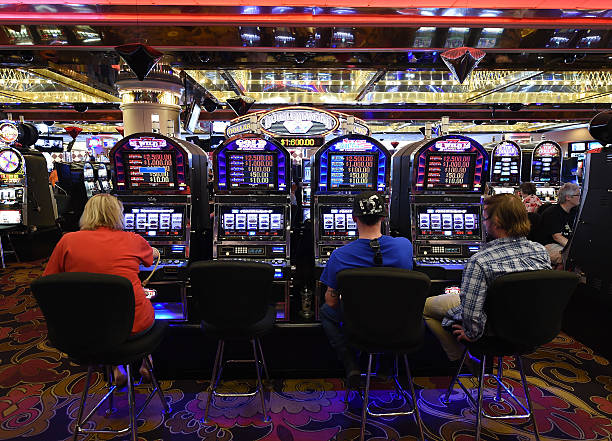
Casinos have a profound social impact on the communities they inhabit, influencing social norms, behaviors, and interactions. They serve as social gathering spaces where individuals can congregate, fostering a sense of community and socialization. This is particularly important in urban settings, where casinos can act as venues for entertainment and leisure, providing an alternative to more traditional forms of social engagement. The availability of casinos often leads to increased nightlife and community events, enhancing local culture.
However, the social implications of casinos also include potential negative consequences. Concerns about gambling addiction, increased crime rates, and social inequality are often raised in discussions about casino operations. The availability of gambling can exacerbate existing social issues, leading to a need for robust support systems and education programs to mitigate these effects. Communities must find a balance between reaping the benefits of casino operations while addressing the challenges that arise.
Furthermore, the presence of casinos can challenge existing social hierarchies and demographics. As more diverse groups engage in gambling, casinos become sites of cultural exchange and interaction, potentially reshaping societal dynamics. This complex interplay highlights the need for ongoing dialogue about the social responsibilities of casinos and the communities they serve, ensuring that the benefits of gambling are equitably distributed.
Exploring the Future of Casinos
Looking ahead, the future of casinos is likely to be shaped by technological advancements and changing societal attitudes toward gambling. The rise of online gaming and mobile applications has revolutionized the gambling experience, offering unprecedented access and convenience for players. This shift may lead to a decline in traditional brick-and-mortar casinos as players gravitate toward digital platforms that offer diverse gaming options from the comfort of their homes.
Additionally, as younger generations become more involved in gambling, their preferences and values will influence the evolution of casinos. This demographic shift could lead to innovative gaming experiences that prioritize social interaction and entertainment over traditional gambling. The integration of technology, such as virtual reality and gamification, may redefine what casinos look like and how they operate, creating a more immersive and engaging experience for users.
Moreover, ongoing discussions about responsible gambling practices and community welfare will shape the regulatory landscape for casinos in the future. As societal awareness of gambling-related issues increases, there will be a push for greater accountability and support systems to protect vulnerable individuals. The future of casinos will likely involve a collaborative effort between operators, governments, and communities to create a balanced approach that prioritizes both economic benefits and social responsibility.
Conclusion on the Cultural Impact of Casinos
Understanding the cultural impact of casinos in modern society requires a multifaceted approach that considers historical, economic, cultural, social, and technological dimensions. Casinos have evolved from ancient games of chance to complex cultural institutions that reflect societal values and norms. The economic benefits they bring to communities are substantial, yet they also raise critical questions about social responsibility and ethical practices.
As communities navigate the complexities of gambling, ongoing dialogue about its implications will be essential. The future of casinos will depend on their ability to adapt to changing societal attitudes while fostering inclusive environments that prioritize responsible gaming. As we continue to explore the intersections of culture, economy, and technology, the cultural impact of casinos will undoubtedly evolve, shaping not only the gaming industry but also the communities they touch.
Dejar un comentario
¿Quieres unirte a la conversación?Siéntete libre de contribuir!