
The hidden psyche understanding the psychological effects of gambling
The hidden psyche understanding the psychological effects of gambling
The allure of gambling: Psychological triggers
The world of gambling is often shrouded in excitement and risk, appealing to our innate desires for thrill and instant gratification. Psychologically, this allure can be linked to various cognitive biases that skew our perception of odds and rewards. Gamblers frequently experience phenomena such as the «illusion of control,» where they believe they can influence outcomes that are fundamentally random. This belief not only heightens the excitement but also reinforces the cycle of gambling behavior, as individuals continue to chase wins they perceive they can control. To enhance your understanding, it’s helpful to reference an updated uk betting sites list that showcases the top platforms available.
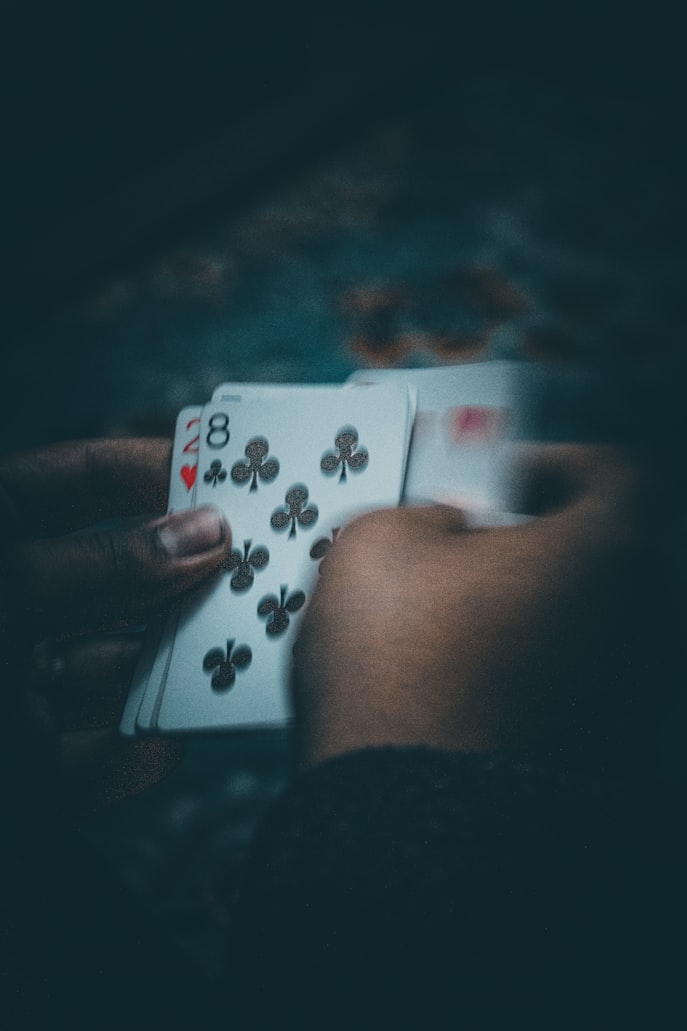
Moreover, the release of dopamine in the brain, often referred to as the «feel-good» neurotransmitter, plays a crucial role in the gambling experience. Each win, no matter how small, triggers a rush of dopamine, reinforcing the behavior. This biochemical response creates a powerful association between gambling and pleasure, making it difficult for individuals to resist the urge to gamble again, even in the face of significant losses.
The impact of social environment on gambling behavior
The social context in which gambling occurs significantly influences individual choices and attitudes towards it. Group dynamics, whether in physical casinos or online platforms, can intensify the thrill of gambling. Social proof, or the tendency to conform to the behaviors of others, often leads individuals to engage in gambling activities they might otherwise avoid. Seeing friends or family winning can create a perception that success is achievable, further encouraging participation.
Addiction and the psychological toll of gambling
The psychological effects of gambling can escalate from casual enjoyment to compulsive behavior, often resulting in gambling addiction. This condition is characterized by an overwhelming urge to gamble despite negative consequences, such as financial troubles and strained relationships. The compulsive gambler may experience anxiety, depression, and feelings of hopelessness, creating a vicious cycle where gambling becomes a coping mechanism for emotional distress.
The role of technology in gambling psychology
In recent years, advancements in technology have transformed the gambling landscape, making it more accessible than ever before. Online platforms and mobile applications facilitate constant access to gambling opportunities, blurring the lines between casual play and compulsive behavior. The convenience of online gambling contributes to the normalization of betting, making it easier for individuals to engage without considering the potential risks involved.
The use of algorithms and personalized marketing strategies further intensifies this effect. Companies analyze user data to tailor promotions and encourage sustained gambling behavior, often leading individuals deeper into a cycle of betting. Understanding the psychological implications of these technologies is essential for both users and regulators as they navigate the increasingly complex world of gambling.

Your guide to responsible gambling
Understanding the psychological effects of gambling is critical for fostering responsible gambling practices. Awareness of the triggers and consequences associated with gambling can empower individuals to make informed decisions. Resources are available to educate users on recognizing risky behaviors and seeking help when needed. Promoting awareness of gambling addiction as a mental health issue can encourage individuals to reach out for support.
By utilizing comprehensive guides and resources, individuals can navigate the gambling landscape with more awareness and caution. Engaging with platforms that offer insights into responsible gambling can enhance the overall experience, reducing the likelihood of negative psychological effects and promoting healthier gambling habits.
«`
Dejar un comentario
¿Quieres unirte a la conversación?Siéntete libre de contribuir!