
What Makes a Data-Only SIM Card Perfect for Global Roaming
The Ultimate Travel eSIM Guide Skip the Roaming Fees
A single travel eSIM can replace a drawer full of plastic SIM cards from past trips. It is a digital profile that activates instantly upon arrival, connecting your phone to local networks without swapping any physical card. This means you keep your primary number active while enjoying affordable data in over 200 countries—simply buy, scan, and travel. You bypass roaming fees and rid yourself of the hunt for foreign SIM vendors at every airport.
What Makes a Data-Only SIM Card Perfect for Global Roaming
A data-only travel eSIM becomes perfect for global roaming when it strips away every distraction. Imagine boarding a flight to Oslo; your regular number stays dormant while the eSIM activates a local IP instantly. That’s the core advantage—you’re not paying for voice minutes you’ll never use or SMS spam filters. Instead, every megabyte is dedicated to what matters: live map rerouting through cobblestone alleys, uploading hostel photos without hunting café Wi-Fi, or streaming a calming playlist on a delayed train. Global roaming works because these eSIMs tap into multiple carriers per country, auto-switching to the strongest signal. You only top up data, meaning zero surprise bills from accidental calls, which is a lifesaver when navigating foreign menus or checking emergency updates mid-journey.
Understanding the Shift from Physical Plastic to Embedded Profiles
The move from a physical plastic SIM to an embedded eSIM profile fundamentally changes how you connect abroad. You no longer hunt for a local kiosk or juggle tiny chips during a layover. Instead, you download a travel profile directly onto your device before departure, instantly activating data upon arrival. This digital handshake replaces hardware with a software key that can be swapped or topped up on the fly. There is no risk of losing the card or being locked to a single regional plan. Your phone becomes a flexible gateway, with the profile stored securely but changeable remotely.
- Eliminates the need to find and insert a physical card while traveling
- Allows pre-loading multiple network profiles for different destinations
- Simplifies network switching by toggling profiles in your device settings
Key Differences Between Traditional Roaming Plans and Digital SIMs
Traditional roaming plans lock travelers into pre-negotiated carrier agreements, often incurring high per-day fees or limited data allowances per country. Digital SIMs, conversely, operate on a flexible, app-based platform that lets users purchase local or regional data packages on-demand, bypassing home carrier contracts entirely. Key differences in activation speed also arise: physical SIMs require swapping cards or manual network selection, while digital SIMs activate in seconds via a QR code or app install. This eliminates the need to hunt for local sim vendors upon arrival. Additionally, traditional plans tie users to one carrier’s coverage, whereas eSIM-compatible devices automatically switch between available local networks for optimal signal.
In summary, digital SIMs offer on-demand flexibility, instant activation, and multi-network switching, contrasting sharply with the rigid, cost-intensive structure of traditional roaming plans.
How Instant Activation Eliminates Airport Kiosk Hunts
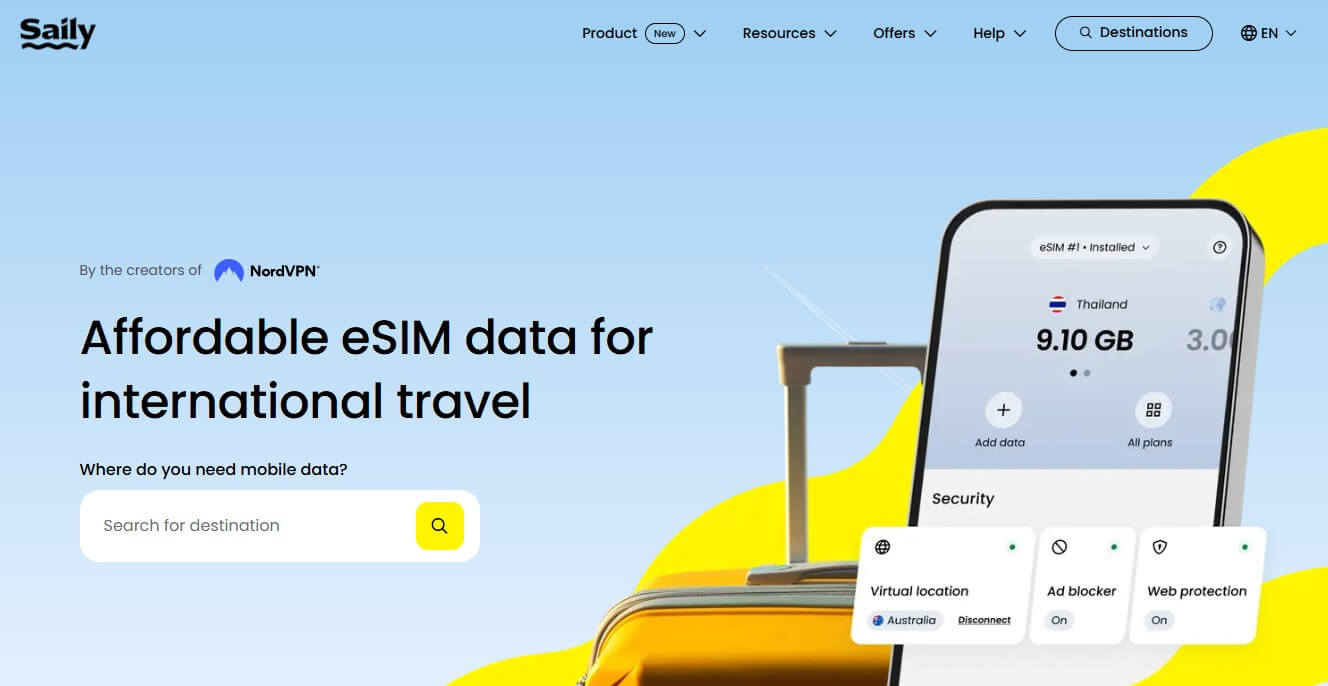
Forget sprinting between airport kiosks while jet-lagged. An eSIM’s instant activation means you connect the moment your plane lands, right from your seat. You simply scan a QR code before you depart or tap to buy upon arrival. No fumbling for cash, no hunting for a shop that’s closed, and no decoding confusing local plans. Just switch on your phone, and you’re online.
- You scan or install the eSIM during your flight or while sipping coffee at your departure gate.
- As you touch down, your phone automatically registers on the local network—no PIN codes or passport scans needed.
- Voila: maps, messages, and ride-shares work instantly, saving you the chaos of a crowded, unfamiliar terminal.
Top Reasons Frequent Fliers Are Switching to Virtual Roaming
Frequent fliers abandon physical SIMs for travel eSIM virtual roaming because it eliminates the hunt for local shops at chaotic airports. You install a data plan before departure, activating immediately upon landing with a single tap. A short inline Q&A: Why do frequent fliers prefer virtual roaming? Because it avoids swapping cards, risking loss, or juggling multiple profiles. With an eSIM, you keep your primary number active for calls while using a separate data plan—perfect for hopping between time zones without managing tiny plastic chips.
Eliminating Surprise Bills with Fixed Local Rates
Frequent fliers eliminate surprise bills by choosing travel eSIMs with fixed local rates, as these plans cap data costs at a predictable per-gigabyte price for each destination. Unlike postpaid roaming that charges variable international rates per megabyte, a fixed local rate locks in the same cost whether you browse for ten minutes or ten hours. This model removes the risk of algorithm-driven billing spikes that often occur when crossing network borders. A traveler activating a 5GB Japan eSIM at a flat $12, for instance, knows the total before departure, whereas traditional roaming could accumulate $50+ from background app refreshes alone. The table below contrasts the billing structure:
| Roaming Type | Billing Trigger | Cost Predictability |
| Postpaid roaming | Per MB/KB usage | Low; varies by carrier and zone |
| Fixed local rate eSIM | Pre-paid bulk data | High; no surprise overage charges |
Keeping Your Primary Number Active While Abroad
When traveling, keeping your primary number active while abroad is essential for receiving SMS-based two-factor authentication from your bank and services. Virtual roaming allows you to retain your home number on an eSIM, forwarding calls and texts over a secondary data-only travel plan. This avoids the cost of physical SIM swapping or expensive international roaming plans from your home carrier. You simply keep your primary line active for incoming SMS and calls while using the travel eSIM’s data for maps and apps.
Will I still receive SMS verification codes on my primary number? Yes, if your home carrier supports Wi-Fi Calling or minimal network registration, virtual roaming ensures those security texts arrive without needing a costly roaming add-on.
Seamless Switching Between Networks in Different Countries
For frequent fliers, the magic of a travel eSIM lies in seamless network handover across borders. As your plane lands, the eSIM instantly scans for the strongest local carrier, switching you from one country’s network to the next without fiddling with physical SIM cards. You stay connected while taxiing, ending the hunt for airport Wi-Fi passwords. No manual profiles, no roaming pop-ups—just uninterrupted data as you cross from France into Italy, then Switzerland. This fluidity means your maps, messages, and ride-hailing apps work immediately upon arrival.
Q: Will my connection drop while switching between networks in different countries?
A: No—a quality travel eSIM executes the switch in seconds, often during your flight’s descent, ensuring your data session persists without interruption or re-authentication.
Choosing the Right Data Package for Your Trip Type
Choosing the right data package for your trip type requires matching https://baztel.co/esim-plans/esim-singapore your usage habits to the eSIM plan’s limits. For a short city break focused on maps and messaging, a small 1-3 GB package is often sufficient. Business travelers needing constant video calls and file uploads should prioritize high-limit or unlimited plans with strong speed tiers. Adventure travelers visiting multiple countries benefit from regional eSIM packages that cover entire continents, avoiding separate installations. For digital nomads, look for long-term validity plans offering 30-60 days and high data caps. Assess whether you primarily need social media browsing or heavy streaming, as this directly dictates the necessary gigabyte count to avoid running out mid-trip.
Short Getaways: Pre-Loaded Regional Data Bundles
For short getaways, prioritizing connectivity over flexibility is key, and pre-loaded regional data bundles from a travel eSIM offer the most efficient solution. These bundles provide a fixed amount of high-speed data valid for a short duration, typically 7 to 15 days, covering multiple countries within a specific region like Europe or Southeast Asia. You avoid per-country activation hassles and sudden bill shocks, as the single payment covers your entire trip. This is ideal for a long weekend or a week-long tour across borders, ensuring hassle-free regional roaming without needing to monitor daily usage or swap physical SIMs at each destination.
Backpacker Routes: Multi-Country Passes with Auto-Top-Up
For backpackers hopping between countries, a multi-country eSIM pass with auto-top-up is a total game-changer. Instead of buying a new local SIM at every border, you get one pass that covers, say, 15 European nations or a chunk of Southeast Asia. The auto-top-up feature automatically adds more data when your balance runs low, so you never get stranded without maps or hostel booking access. Just keep an eye on the refresh rate, as some passes trigger a new daily allowance at midnight rather than when you activate it.
Q: Do these passes switch networks automatically between countries?
A: Yes—your eSIM connects to local carriers in each new country without you lifting a finger, usually within a minute of crossing the border.
Business Travel: Unlimited Data Plans with Priority Support
For business travel, unlimited data plans with priority support eliminate the risk of throttled connections during video calls or large file uploads. These plans, accessed via a travel eSIM, guarantee consistent bandwidth for crucial meetings. You gain direct access to a dedicated support team, not a chatbot, for instant issue resolution if a local network glitch arises. This setup ensures you never lose connectivity during a presentation, making productivity seamless across multiple time zones without hunting for public Wi-Fi or managing data caps.
Step-by-Step Guide to Setting Up a Digital SIM Before Departure

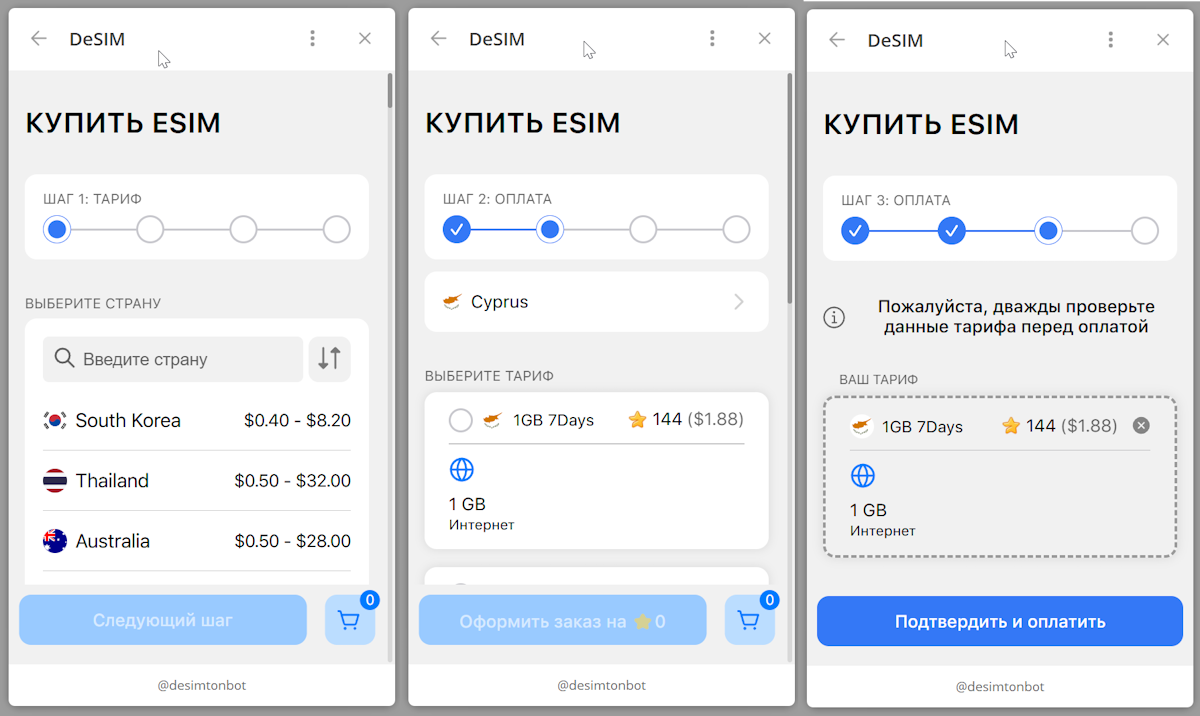
To set up a travel eSIM before departure, first confirm your device is unlocked and eSIM-compatible in settings. Purchase a plan from a provider like Airalo or Holafly, selecting your destination region. You’ll receive a QR code or installation link via email; install this eSIM activation guide over Wi-Fi before you leave. Activate the line as «secondary,» disabling data roaming for your primary SIM to avoid extra charges. Finally, test connectivity by toggling the new data line in your network settings, ensuring a seamless connection upon arrival.
Checking Device Compatibility for eSIM Support
Before purchasing a travel eSIM, you must first confirm your smartphone supports eSIM technology. Check device compatibility by navigating to your phone’s settings: look for “Add Cellular Plan” on iPhones (iPhone XS and newer) or “SIM manager” and “eSIM” under connections on recent Android models. Even a high-end phone purchased overseas may lack eSIM support in certain regions, so verify your specific model number against your travel destination’s carrier requirements. A quick online search of your device’s IMEI can also confirm eSIM readiness, saving you from a costly, unusable purchase.
Downloading Provider Apps and Scanning QR Codes
After selecting your travel eSIM plan, download the provider’s official app from your device’s app store. Open the app and create an account or log in; your purchased eSIM profile will typically appear in your dashboard. When prompted, use your device’s camera to scan the QR code supplied in your order confirmation email. Scanning activates the eSIM profile, and the provider’s app will guide you to enable the new mobile data line for roaming. Ensure you scan the code before departure to verify the eSIM QR code activation completes successfully on a stable home network.
Download provider apps to manage purchases, then scan the supplied QR code within the app to activate your prepaid travel eSIM profile before you leave.
Configuring Dual-SIM Settings for Calls and Data
After installing your travel eSIM, access your device’s SIM manager to set the eSIM as the primary data line. For calls, designate your home physical SIM as the default for voice to avoid international roaming charges, while leaving the travel eSIM for data. Enable “Allow switching mobile data” in dual-SIM settings to automatically use the eSIM for all internet traffic, ensuring seamless connectivity. Verify that “Calls on other SIM” is active, allowing incoming calls on your physical SIM during data use without interruption. This dual-SIM configuration prevents bill shock by isolating data to the travel eSIM’s local network.
Configure the travel eSIM for data only; keep the physical SIM for calls to avoid roaming fees.
Hidden Costs and Pitfalls to Watch When Using Virtual Roaming
Hidden costs with travel eSIMs often stem from data throttling after exceeding a soft cap, not a hard cut-off, leading to unusably slow speeds while charges continue. Some providers bill for background system processes, like automatic app updates, which consume roaming data without user awareness. Pitfalls include “free” data plans that require a paid top-up for activation, and complex refund policies where unused data is non-refundable after a short validation window. Watch for roaming pools that share bytes across devices, draining your allowance faster than expected.
Understanding Data Speeds vs. Unlimited Marketing Claims
When a travel eSIM promises «unlimited» data, it often hides a catch on speed. Many plans throttle your connection to frustratingly slow 2G or 3G speeds after you use a certain amount of high-speed data, usually just 500MB or 1GB per day. This means «unlimited» really means unlimited *slowed* data, which is barely usable for maps or messaging. You must hunt for the fair usage policy fine print to see the true high-speed cap. Always compare the actual high-speed data allowance, not the marketing label, to avoid paying for speeds that only work for basic texts.
| Aspect | Marketing Claim | Reality |
| Speed after cap | «Unlimited high speed» | Throttled to 128 kbps or less |
| Usability | «Stream, browse freely» | Cannot stream video or load images |
| Data cap | Not prominently shown | Buried in 500 words of terms |
Time Zone Activation Timing and 24-Hour Plan Counters
Your eSIM might activate based on its home network’s local time, not your destination’s, causing early depletion of a daily data allowance before you even land. This mismatch in time zone activation timing can also mean a 24-hour plan counter starts ticking at an unpredictable hour, not when you actually need connectivity. To avoid losing half a day’s value, manually trigger the plan upon arrival or immediately adjust your device clock. Failing to align these counters with your travel schedule often leaves you purchasing an extra plan for a single evening’s use.
Keeping Backup Physical SIMs for Network Dead Zones
Even with a travel eSIM, you may encounter network dead zones where your eSIM provider lacks coverage. Carrying a backup physical SIM from a local carrier in a separate phone, or keeping an old physical SIM from a secondary provider, ensures you can switch to an alternate network when your eSIM fails. This is a critical dead zone fallback, not redundant luggage, because it prevents being stranded without connectivity in remote areas or countries where eSIM infrastructure is sparse. Without this physical backup, you risk losing all access to maps and communication precisely when you need them most.
A backup physical SIM is not about extra data—it is about guaranteeing connectivity when your eSIM’s coverage gap leaves you offline.
Best Practices for Managing Connectivity Across Multiple Destinations
When managing connectivity across multiple destinations with a travel eSIM, the best practice is to **activate a global or regional plan** before departure to avoid manual carrier switching at each border. Prioritize plans that support automatic network selection, ensuring seamless handoff between countries. Upon arrival in a new country, force your device to scan for local partner networks if auto-connect fails, which prevents roaming charges from non-partner towers. Save offline maps for each destination in advance, as coverage gaps can occur during transit. Disable automatic app updates and background data for non-essential apps in each new country to conserve plan data. Always confirm the eSIM’s expiry date aligns with your itinerary, and carry a backup physical SIM for emergencies.
Using Wi-Fi Assist Features to Conserve Mobile Data
When traveling with an eSIM, enable the device’s Wi-Fi Assist feature to conserve mobile data by automatically switching to a known Wi-Fi network when cellular signals weaken. This prevents your eSIM from consuming expensive roaming data during intermittent connectivity. To use it effectively:
- Activate Wi-Fi Assist in your device settings (iOS: Settings > Cellular > Wi-Fi Assist; Android: similar toggle under Connections).
- Pre-download offline maps and cache content at hotel or café Wi-Fi spots.
- Set your phone to prefer saved Wi-Fi networks over the eSIM for large updates or streaming.
This ensures the eSIM’s data allowance is reserved only for critical connectivity away from Wi-Fi.
Scheduling Automatic Profile Switches Between Countries
Scheduling automatic profile switches between countries eliminates manual network hunting at borders. Configure your travel eSIM to trigger a profile swap the instant your device detects a new national network. Most apps allow you to set time-delayed activation to prevent brief border zone signals from toggling you prematurely. Follow this sequence:
- Identify your departure and arrival country profiles in the eSIM app.
- Set the auto-switch rule to “switch on new network detection” for seamless transition.
- Define a 5-minute validation timer so the profile only sticks after stable local signal is confirmed.
This keeps your connection active without pausing to re-authenticate mid-route.
Monitoring Real-Time Data Usage via Provider Dashboards
Keeping an eye on your travel eSIM’s data consumption is a breeze using your provider’s dashboard. Most apps show a live meter, so you can see exactly how many megabytes you’ve burned during that video call or map session. This helps you avoid sudden throttling or surprise top-ups while hopping between countries. For multi-destination trips, these dashboards let you track usage per line, ensuring you don’t drain a local plan meant for your next stop. It’s your go-to tool for staying in control on the go.
- Refresh the dashboard before switching networks to confirm remaining data.
- Set in-app low-data alerts to get notified before your high-speed allowance runs out.
- Check historical usage per destination to adjust your browsing habits mid-trip.
Future Trends in International Mobile Connectivity
The next leap in travel eSIM will feel invisible—your phone seamlessly locking onto the strongest local network the moment you step off a plane, no app required. Imagine hiking the Dolomites: your eSIM automatically switches to a regional Alpine carrier as you ascend, then back to a city provider when you descend. Q: Will travel eSIMs ever allow me to use my home number simultaneously without juggling two profiles? A: Yes, future eSIMs will natively merge a virtual home number with a local data plan, so you receive a call from your bank while using French 5G for maps, all on one chip profile. This shift turns connectivity from a pre-trip chore into an ambient, adaptive layer of your journey.
Integration with Satellite Networks for Remote Area Access
For travel eSIMs, the biggest leap is seamless satellite fallback. When you hike beyond cell towers, your eSIM will automatically hop onto a direct-to-satellite link, letting you ping a map pin or send a text from a canyon. No separate satellite phone or app needed—just standard messaging working in dead zones. This keeps you connected during remote road trips or mountain treks without extra logins. Currently, it covers basic texts and SOS alerts, with photo sharing rolling out. Your eSIM plan simply includes this as a plan add-on, switching back to cellular once you’re in range.
| Use Case | Capability | Device Support |
| Emergency SOS | Send location + brief text | iPhone 14+, select Androids |
| Check-in ping | One-way preset message | Most recent flagships |
| Map tile sync | Receive small map chunks | Testing on 2025 models |
Blockchain-Based Data Sharing Between Roaming Partners
Blockchain-based data sharing between roaming partners will directly eliminate the latency and hidden costs of current inter-operator billing. For your travel eSIM, this means seamless, real-time network switching as a secure, distributed ledger instantly verifies your identity and data usage with the host network. You will no longer face connection drops during handovers, as smart contracts execute automatic service agreements the moment you cross a border. This trustless system ensures your data allowances are immutably tracked, preventing billing disputes and enabling truly frictionless, pay-as-you-go connectivity without intermediaries slowing the process.
Voice Over IP and Messaging Bundles as Standard Add-Ons
Travel eSIMs are increasingly bundling Voice over IP and messaging credits as standard add-ons, so you can call home and chat from the airport without hunting for Wi-Fi. Instead of hunting for a separate app, your eSIM’s native dialer can route calls over VoIP, saving you from high per-minute fees. Messaging bundles typically include app-to-app texts and sometimes SMS-forwarding through the eSIM profile, ensuring you stay reachable for two-factor codes. These add-ons mean your travel data plan feels more like a full phone line, keeping communication seamless across borders.